Steel Buildings for AI Data Centres in Canada: The Ultimate Guide
Canada needs pre-engineered steel buildings for sovereign AI data centres. Read how MSC can help Alberta and Western Canada, and how to plan for speed and sustainability.

Data centre in Cardiff, Wales, in the process of expansion. Pre-engineered steel is uniquely positioned as an ideal solution for ever-changing, sweeping centres like these in Canada.
AI Data Centres Part 1: What's an AI Data Centre? Why Canada?
Quick Answer: Pre-Engineered Steel Buildings For AI Data Centres
Pre-engineered steel buildings for AI data centres are built in a factory and put together on site. This lets you finish projects faster and add on in stages. In Western and Northern Canada, it helps protect power and cooling equipment sooner, keeps crews working through winter, and lowers the risk of delays when equipment and power arrive at different times
A new kind of industrial build is showing up in Canada: the AI data centre. It’s not just servers. It’s power systems, cooling systems, secure receiving, and operations space that need to run every day, all day.
For many projects, the fastest way to get that site working is a pre-engineered steel buildings for AI data centres approach. Think quick, scalable, custom steel buildings and prefab buildings that can be expanded in phases as power, equipment, and permits line up.
Canada is moving in this direction for practical reasons. The federal government is actively seeking proposals for sovereign, large-scale AI data centres as part of a broader movement to strengthen the economy and reduce reliance on our neighbours.
Why This Matters Now
At the World Economic Forum in January 2026, Prime Minister Mark Carney framed a broader shift. Canada’s “old comfortable assumptions” about relying on alliances for prosperity “is no longer valid.” It’s also clear that the world has quickly adopted AI technologies, which require large centers and substantial resources. MSC, and Canada as a whole, are set to adapt to this new future.
Canada needs more critical infrastructure built at home. Compute is quickly becoming part of that infrastructure, just as rail, ports, and energy systems are. Why rely on other countries when we have the space, the knowledge, and the resources?
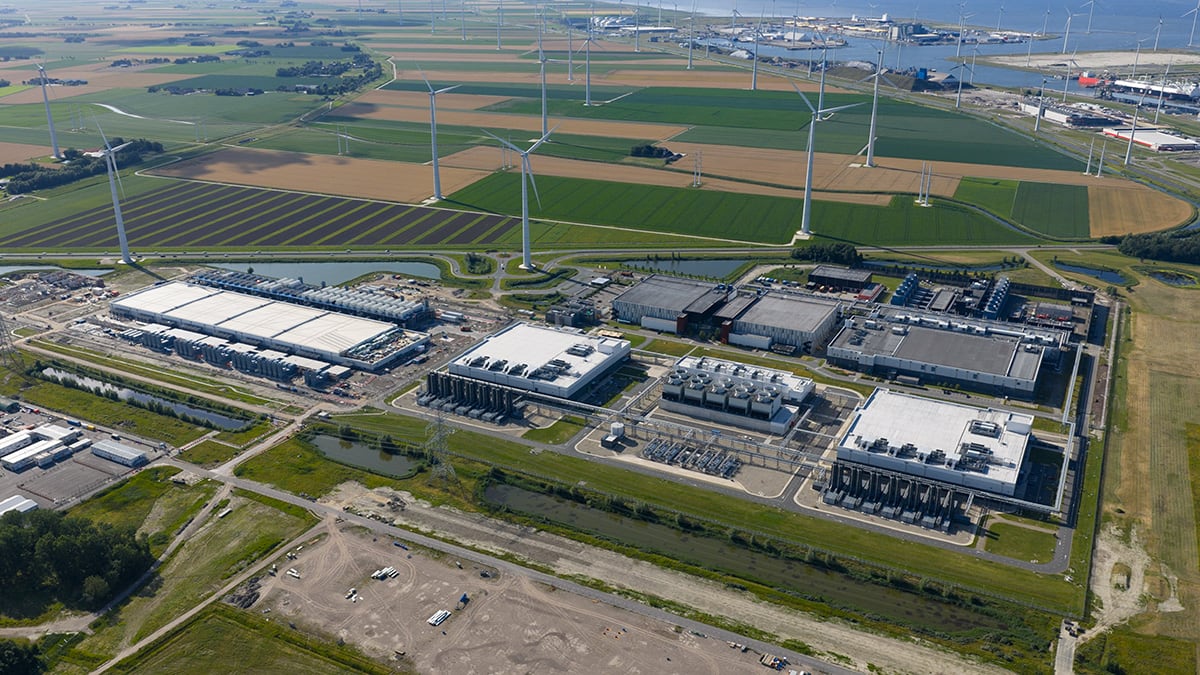
A large data center in the Netherlands. These centers require a large amount of land, energy, and buildings, which makes them perfect for a massive, resource-rich country like Canada.
The Massive Opportunity In Alberta’s Rural Communities
Alberta municipalities are already talking about Canadian AI data centres as a significant economic opportunity. One widely shared local article described it as a potential “second coming of oil," while also capturing community concerns about land use, water, and long-term impacts.
Western Canadian communities have an opportunity to win big if they treat data centres like the critical industrial buildings they are.
Canada’s AI infrastructure buildout is already moving from talk to procurement. Albertan developers can capture real value if projects are planned like major industrial builds, with power, cooling, and community impacts handled early.
What Is A Data Centre Campus?
A data centre campus is often a collection of buildings rather than a single box. Beyond the main data halls full of humming servers, many sites need structures that look a lot like industrial operations buildings.
A data centre campus is the entire site that supports the data centre operation, not just the server rooms. Think of it like an industrial yard built around one core job: keep computing equipment powered, cooled, secure, and serviceable 24/7. The rest of the campus consists of supporting buildings, yards, access, and power generation that keep the site running.
Even if you don’t choose pre-engineered steel buildings for main data halls (there are other options), campuses still need efficient support buildings to keep everything running. Steel is well-suited to:
Electrical buildings
Mechanical buildings
Secure receiving and staged storage
Maintenance bays and tool storage
Operations and admin space
Vehicle garages and winter maintenance buildings
Where Steel Buildings Fit On A Data Centre Site
Steel is often used because it is:
quick to build
repeatable bays
durability
phased delivery
AI data centres in Alberta, BC and the North will require temperature-regulated steel buildings and climate-controlled metal warehouses. This is because electrical gear, controls, and maintenance teams need stable indoor conditions and energy efficiency.
Common main and outbuilding scopes may include:
data centre electrical buildings
steel hangars for remote sites
garages and storage bays
mechanical buildings
secure receiving areas
operations, maintenance, and administrative spaces
Those are all areas where a steel building approach can reduce schedule risk, especially when the project plan is built around phases.
“We've found them to be extremely reliable over many projects, just top-notch guys. They know what they're doing. We call them the SEAL team of construction. And, yeah, we would handpick them. We would literally wait a year if they were not available to have them on a job. I would recommend MSC pretty much to anyone looking for this kind of product, as one of the better steel building suppliers and installers.”
— Jacob Heigers, Chu Níikwän LP
Energy Efficiency Must Be Part Of The AI Plan In Canada
AI data centres are power hungry. AI-oriented servers often consume far more electricity than conventional machines, and growth can strain grids and cause great inefficiencies if not planned responsibly. Some of the more efficient data centers reduce drain on the local grid by building clean energy sources on-site, such as wind turbines and solar panels.
Inefficient, poorly planned steel buildings can waste significant energy. Regardless of energy source, this industry clearly requires climate-controlled, energy-efficient steel buildings. It’s essential to carefully consider sustainability when developing data centres in Canada if we want to position ourselves as leaders, save money, and reduce detrimental future impacts.
A cold climate is another of Canada’s distinct advantages, as data centre equipment tends to run hot. A data centre’s “cooling load” is simply the amount of heat the building must remove to keep servers, power equipment, and electrical rooms within safe operating temperatures. In cold weather with a well-engineered steel building, you can reduce that load because the cooling system rejects heat to the outdoors more easily. That usually means:
-
more “free cooling” hours in climate-controlled steel buildings
-
less compressor and chiller runtime, which cuts electricity use
-
lower peak cooling demand, which can reduce equipment sizing and operating cost
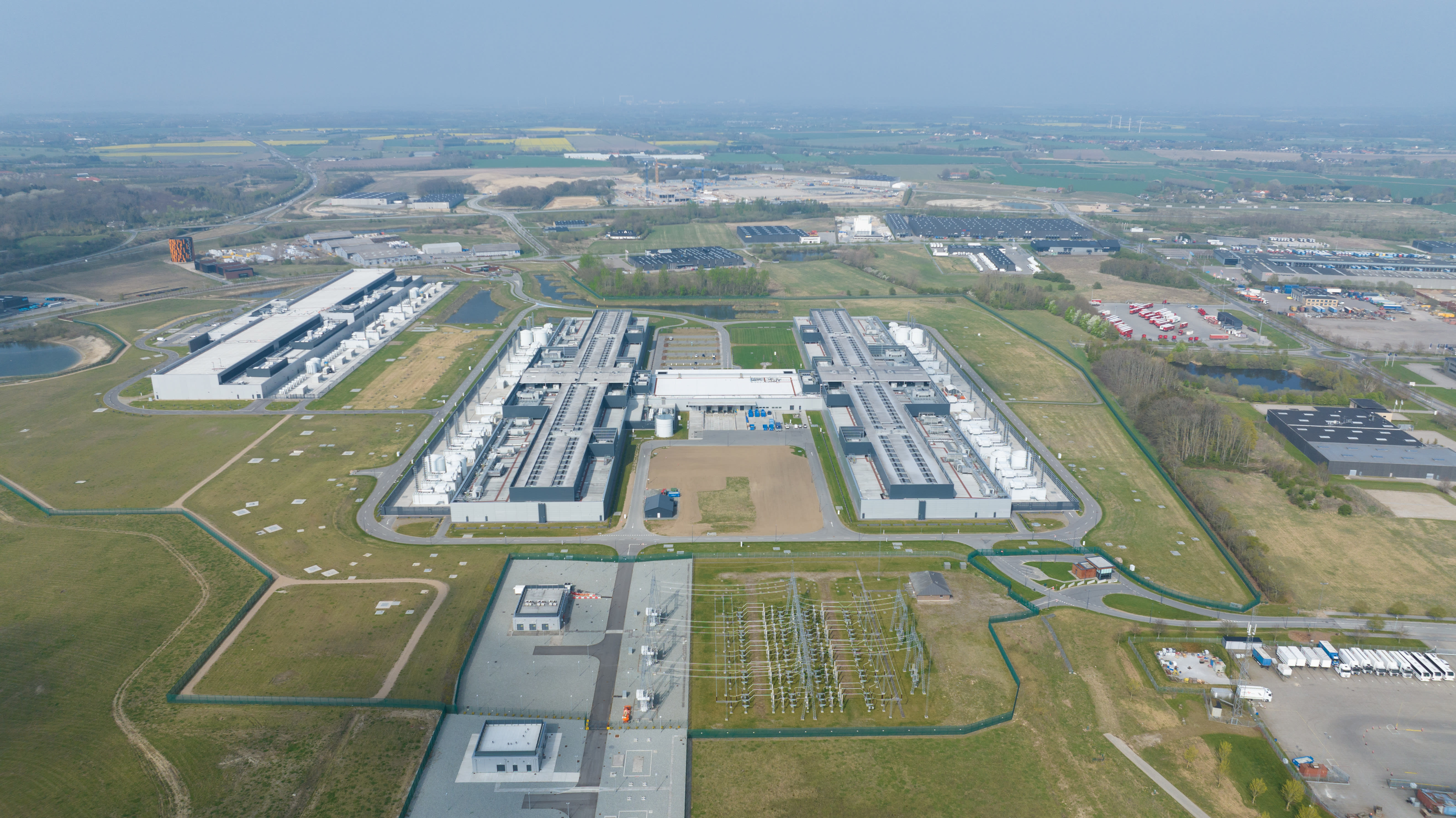
Example of an AI data center campus. This one is in Odense, Denmark.
AI Data Centres Part 2: How to Approach Steel Phasing And Support Buildings?
Pre-engineered steel buildings for AI data centres (or regular data centres, for that matter) are manufactured in a factory and assembled on site, enabling projects to be enclosed faster and expanded in phases. For teams in Western Canada, that means you can protect power and cooling gear sooner, keep crews working through winter, and add capacity step by step. Canada is already showing how big these projects can be.
Support Buildings Map
| Campus building | What it typically houses | Why it matters on an AI site | Steel-building advantage |
|---|---|---|---|
| Electrical building | Switchgear, UPS, controls, distribution gear. | Keeps power stable and protected. | Fast enclosure, predictable bays, clean interior buildout sequencing. |
| Mechanical building | Cooling plant equipment, pumps, piping headers, and water treatment. | Cooling is not optional. Servers run hot. | Clear spans, straightforward service access planning, and room for future equipment. |
| Secure receiving and staged storage | Crated equipment, spares, chain-of-custody staging, packaging and waste handling. | Prevents damage, theft, and delays when high-value equipment arrives in waves. | Rapid dry-in, controlled access points, scalable footprint. |
| Maintenance bays and tool storage | Tools, lift equipment, parts, and maintenance supplies. | Keeps onsite teams productive and reduces downtime during repairs and seasonal work. | Durable shell, simple expansion, practical door and bay layouts. |
Why Phased Steel Builds Suit Canadian Data Infrastructure
Getting the building enclosed fast is important in our climate. Once it’s sealed, trades have a controlled environment to work in. On projects over 100 MW, phasing is the norm. Power and equipment show up in stages. You only get those efficiency gains if your team gets the building envelope, airflow, and mechanical layout right.
How MSC Can Help
If your team is planning a data centre campus, you’ll need to map your support buildings. Match your phasing to key power and cooling milestones. That way, you protect important equipment sooner and cut the risk of delays when weather or logistics get tough.
MSC supplies and installs pre-engineered steel buildings across Western and Northern Canada. Our family-owned team has decades of experience in commercial and industrial steel builds.
Contact the project team at Metal Structure Concepts to discuss your plans and see if our steel is the right fit.
FAQs
Q: Do you need one building or several for a data centre site?
A: Most sites need multiple structures beyond the server halls, especially for electrical systems, cooling plant, secure receiving, storage, and operations.
Q: What does “phasing” mean in a data centre build?
A: Phasing means planning capacity growth in stages as power and equipment ramp up, using repeatable bays and dedicated expansion space to reduce rework.
Q: Why does cold climate matter for data centres?
A: Cold weather can reduce cooling loads by making heat rejection easier, which can improve efficiency when the envelope, airflow, and mechanical design support it.
Metal Structure Concepts (MSC) supplies and installs pre-engineered steel buildings across Western and Northern Canada. If you need quick enclosure and room to grow in phases, check out our project gallery and connect with a project lead to plan your support buildings and schedule.